Tese Guiada · Doutorado · nº 001Guided Thesis · Doctorate · no. 001

Quando uma IA age em seu nome, quem responde?When an AI acts on your behalf, who is accountable?

Uma tese de doutoramento em Direito que propõe a infraestrutura constitucional para identificar, rastrear e responsabilizar agentes autônomos de inteligência artificial no Brasil.A doctoral dissertation in Law proposing the constitutional infrastructure to identify, track, and hold autonomous AI agents accountable in Brazil.

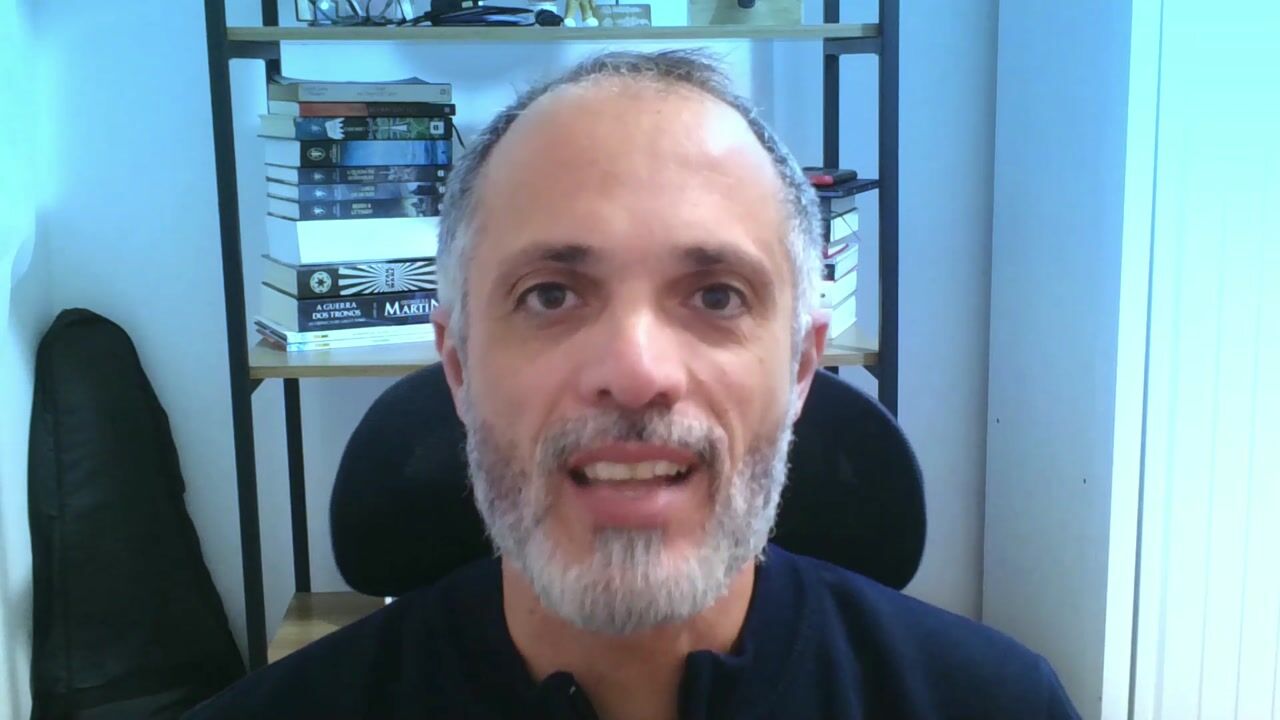
AutorAuthorCláudio Roberto Santos
OrientadoraAdvisorProfa. Dra. Caitlin Sampaio Mulholland
Pontifícia Universidade Católica do Rio de Janeiro

Vídeo de apresentação — em breve

Presentation video — coming soon

Rolar para lerScroll to read
Para começarTo begin

Um escritório de advocacia contrata um agente autônomo de IA. Operando sozinho às 23h, o sistema protocola uma petição incorreta e perde um prazo fatal. O prejuízo é de R$ 500.000. O que o direito brasileiro oferece hoje?A law firm hires an autonomous AI agent. Operating alone at 11 pm, it files a wrong motion and misses a critical deadline. The loss totals R$ 500,000. What does Brazilian law currently offer?

A resposta da teseThe dissertation's answer

As três primeiras respostas têm algum mérito jurídico — e é exatamente esse o problema. O direito brasileiro dispõe das categorias de imputação (responsabilidade civil, teoria da aparência, preposição), mas não dispõe dos dados técnicos verificáveis que permitiriam aplicá-las com segurança. Ninguém sabe, com certeza, quem autorizou o quê, quando e com quais limites. Esta tese propõe a infraestrutura que torna a pergunta respondível.

All three first answers have some legal merit — and that is precisely the problem. Brazilian law has the attribution categories (civil liability, apparent authority, agency), but lacks the verifiable technical data needed to apply them reliably. Nobody knows, for certain, who authorized what, when, and with what limits. This dissertation proposes the infrastructure that makes the question answerable.

O ProblemaThe Problem

A infraestrutura digital foi construída para humanosDigital infrastructure was built for humans

Desde o surgimento do Estado moderno, a identidade formal é condição de existência civil. O CPF, o RG, a biometria — não são apenas documentos: são instrumentos pelos quais o Estado reconhece o indivíduo como sujeito de direitos e devedor de obrigações. Ao longo do século XX, essa infraestrutura migrou para o ambiente digital. A transição foi gradual, mas a premissa permaneceu intacta: por trás de cada identidade digital há — e sempre haverá — um ser humano.Since the rise of the modern state, formal identity has been a precondition for civil existence. The tax ID, the national ID, biometrics — not mere documents: instruments through which the State recognizes individuals as subjects of rights and bearers of obligations. Over the twentieth century, this infrastructure migrated to the digital environment. The transition was gradual, but the underlying premise remained intact: behind every digital identity there is — and always will be — a human being.

1965

CPF instituído

CPF (Individual Taxpayer Registry) created

Decreto-Lei 401 — primeiro identificador único do cidadão brasileiro

Decree-Law 401 — Brazil's first unique citizen identifier

2001

ICP-Brasil

ICP-Brasil (Brazilian Cryptographic Infrastructure)

MP 2.200-2 — certificação digital com validade jurídica

MP 2.200-2 — legally valid digital certificates

2002

Código Civil — personalidade e identidade jurídica

Civil Code — legal personality and identity

Consolida a pessoa natural como sujeito de direito por excelência

Consolidates the natural person as the primary legal subject

2018

LGPD — Lei Geral de Proteção de Dados

LGPD — General Data Protection Law

Lei 13.709 — autodeterminação informativa como direito do cidadão

Law 13.709 — informational self-determination as a citizen right

2021

Lei do Governo Digital

Digital Government Law

Lei 14.129 — Gov.br como identidade digital unificada do cidadão

Law 14.129 — Gov.br as the unified digital citizen identity

2022

EC 115 — proteção de dados como direito fundamental

Constitutional Amendment 115 — data protection as fundamental right

Insere o art. 5º, LXXIX na Constituição Federal

Adds art. 5º, LXXIX to Brazil's Federal Constitution

2023

PL 2338 — possível primeiro marco regulatório da IA no Brasil

PL 2338 — Brazil's first AI regulatory framework

Trata de sistemas de IA de alto risco, mas não endereça agentes autônomos

Addresses high-risk AI systems, but does not address autonomous agents

???

Agentes autônomos de IA — a lacuna que esta tese endereça

Autonomous AI agents — the gap this dissertation addresses

Infraestrutura de identidade para entidades não humanas que agem com consequências jurídicas

Identity infrastructure for non-human entities acting with legal consequences

O AtorThe Actor

O que é, de fato, um agente autônomo de IAWhat an autonomous AI agent actually is

Um agente autônomo de IA não é um chatbot sofisticado. É um sistema que compreende objetivos, elabora planos e age de forma persistente no ambiente digital — sem intervenção humana contínua. Ao contrário do software convencional, que executa receitas predeterminadas, o agente formula sua própria sequência de ações, aprende com o ambiente e pode interagir com outros sistemas com a mesma eficácia técnica de uma pessoa.An autonomous AI agent is not a sophisticated chatbot. It is a system that understands goals, devises plans, and acts persistently in the digital environment — without continuous human intervention. Unlike conventional software, which executes predetermined instructions, the agent formulates its own action sequences, learns from its environment, and can interact with other systems with the same technical effectiveness as a person.

01 · Perfil01 · Profile

O que o agente é

What the agent is

Identidade, capacidades e restrições. Define o que o agente pode e não pode fazer — e como se apresenta ao mundo.

Identity, capabilities, and restrictions. Defines what the agent can and cannot do — and how it presents itself to the world.

02 · Memória02 · Memory

O que o agente sabe

What the agent knows

Histórico de interações, contexto acumulado, dados aprendidos. O agente não começa do zero a cada ação.

Interaction history, accumulated context, learned data. The agent does not start from scratch with each action.

03 · Planejamento03 · Planning

O que o agente vai fazer

What the agent will do

Decompõe objetivos em tarefas e define sequência de ações sem instrução passo a passo.

Decomposes goals into tasks and defines action sequences without step-by-step instruction.

04 · Ação04 · Action

O que o agente executa

What the agent executes

Acessa APIs, protocola documentos, assina acordos — atos com consequências jurídicas reais.

Accesses APIs, files documents, signs agreements — acts with real legal consequences.

O que é um agente autônomo — em breve

What is an autonomous agent — coming soon

O que mudaWhat changes

Não é um chatbot. Não é um formulário inteligente.Not a chatbot. Not a smart form.

A distinção entre tipos de sistemas não é apenas técnica — determina o âmbito de aplicação de qualquer regime jurídico. Confundir um agente autônomo com um software convencional é como confundir um mandatário com uma calculadora.The distinction between types of systems is not merely technical — it determines the scope of any legal regime. Confusing an autonomous agent with conventional software is like confusing a legal proxy with a calculator.

Sistema
System
Como decide
How it decides
Rastreabilidade
Traceability
Risco jurídico
Legal risk
Software simples
Simple software
Executa receitas fixas e predeterminadas
Executes fixed, predetermined instructions
AltaHigh
BaixoLow
Sistema automatizado
Automated system
Escolhe entre opções definidas pelo programador
Selects from programmer-defined options
MédiaMedium
ModeradoModerate
Agente autônomo de IA
Autonomous AI agent
Elabora planos, age de forma persistente, aprende com o ambiente
Devises plans, acts persistently, learns from environment
BaixaLow
CríticoCritical
As ConsequênciasConsequences

Quando ninguém sabe quem agiuWhen no one knows who acted

Imagine um agente autônomo contratado por um escritório de advocacia: ele acessa sistemas, protocola petições, comunica-se com partes. Agora imagine que algo dá errado. A pergunta jurídica não tem resposta simples: o agente não tem identidade reconhecível pelo sistema, especialmente quando se trata de múltiplos agentes. Não há CPF, não há CNPJ, não há pessoa na outra ponta. O nexo causal se dilui — e com ele, a possibilidade de imputação efetiva.Imagine an autonomous agent hired by a law firm: it accesses systems, files motions, communicates with parties. Now imagine something goes wrong. The legal question has no simple answer: the agent has no identity recognizable by the system. There is no tax ID, no registered entity, no person on the other end. The causal link dissolves — and with it, the possibility of effective legal attribution.

Hoje — sem identificaçãoToday — without identification
Pessoa humana
Human person
↓ delega para…
↓ delegates to…
Agente de IA  ???
AI Agent  ???
↓ age, causa dano — mas quem era?
↓ acts, causes harm — but who was it?
Sistema externo / terceiro
External system / third party
Nexo jurídico rompido — tutela efetiva comprometida
Legal nexus broken — effective protection undermined
Com a proposta desta teseWith this dissertation's proposal
Pessoa humana [User ID Token ✓]
Human person [User ID Token ✓]
↓ assina Delegation Token
↓ signs Delegation Token
Agente de IA [Agent-ID Token ✓]
AI Agent [Agent-ID Token ✓]
↓ age com credencial rastreável
↓ acts with traceable credential
Sistema externo / terceiro
External system / third party
Trilha auditável — responsabilidade identificada ✓
Auditable trail — accountability identified ✓

Os cinco direitos fundamentais afetadosFive fundamental rights at risk

O design antropomorfizado instrumentaliza o humano, viciando o consentimento. A "fórmula-objeto" de Sarlet: quando o indivíduo não sabe com quem interage, a autonomia da vontade é fictícia.
Anthropomorphized design instrumentalizes the human, vitiating consent. Sarlet's "object formula": when the individual does not know with whom they interact, autonomy of will is fictitious.
O perfil do usuário substitui a pessoa. O ser humano torna-se um "fantasma tecnológico" — manipulado por dados sem poder controlar sua própria representação digital.
The user's profile substitutes the person. The human becomes a "technological ghost" — manipulated by data without the ability to control their own digital representation.
Contra quem o prejudicado direciona sua pretensão? A opacidade do agente dilui o nexo entre conduta e sujeito, tornando a tutela jurisdicional efetiva, na prática, inacessível.
Against whom does the injured party direct their claim? The agent's opacity dissolves the link between conduct and subject, making effective judicial protection practically inaccessible.
Vieses algorítmicos operando de forma opaca e em escala. Quando o agente que discrimina não pode ser identificado, os mecanismos antidiscriminação tornam-se inoperantes.
Algorithmic biases operating opaquely and at scale. When the discriminating agent cannot be identified, anti-discrimination mechanisms become inoperative.
Desinformação, deepfakes e astroturfing em escala de máquina. A indistinguibilidade entre agente e humano corrói os fundamentos epistêmicos do debate democrático.
Disinformation, deepfakes, and machine-scale astroturfing. The indistinguishability of agent and human erodes the epistemic foundations of democratic debate.
A SoluçãoThe Solution

Três credenciais, uma âncora jurídicaThree credentials, one legal anchor

A proposta não inventa novos instrumentos jurídicos. Ela aproveita a infraestrutura criptográfica já consolidada — os padrões OAuth 2.0 e OpenID Connect — para sugerir o uso de três credenciais encadeadas que restauram o nexo jurídico entre a ação do agente e a pessoa humana que a autorizou.The proposal does not invent new legal instruments. It leverages already consolidated cryptographic infrastructure — the OAuth 2.0 and OpenID Connect standards — to sugest three linked credentials that restore the legal nexus between the agent's action and the human person who authorized it.

01 · User ID Token

Identidade do humano

Human identity

Analogia: RG / CPF digital

Analogy: national ID / digital tax ID

  • Autentica o usuário humano na interação
  • Authenticates the human user in the interaction
  • Emitido pela infraestrutura existente (Gov.br, ICP-Brasil)
  • Issued by existing infrastructure (Gov.br, ICP-Brasil)
  • Base para a cadeia de delegação
  • Foundation for the delegation chain
Âncora jurídicaLegal anchor02 · Delegation Token

Autorização assinada

Signed authorization

Analogia: procuração digital

Analogy: digital power of attorney

  • Assinado criptograficamente pelo humano
  • Cryptographically signed by the human
  • Vincula User ID e Agent-ID
  • Links User ID and Agent-ID
  • Define escopo, prazo e limites da delegação
  • Defines scope, duration, and limits of delegation
03 · Agent-ID Token

Identidade do agente

Agent identity

Analogia: CNPJ do agente

Analogy: agent's corporate registration

  • Identifica o agente e suas capacidades
  • Identifies the agent and its capabilities
  • Assinado pelo desenvolvedor / operador
  • Signed by developer / operator
  • Apresentado em toda interação com terceiros
  • Presented in every interaction with third parties

Como funcionam os três tokens — em breve

How the three tokens work — coming soon

Os PrincípiosThe Principles

Dois princípios para uma nova arquitetura constitucionalTwo principles for a new constitutional architecture

I

Princípio da Identificabilidade Compulsória

Principle of Compulsory Identifiability

Nenhum agente autônomo pode interagir com terceiros sem apresentar credencial verificável de seu responsável legal. A identificação não é consequência de um incidente — é condição de operação, inscrita na arquitetura do sistema desde o credenciamento.

No autonomous agent may interact with third parties without presenting a verifiable credential of its legal responsible party. Identification is not a consequence of an incident — it is an operating condition, inscribed in the system's architecture from the moment of registration.

Ancoragem constitucionalArt. 5º, XIV CF/88 (direito à informação) · Art. 6º, VI LGPD (transparência) · EC 115/2022 (deveres positivos em matéria de dados)

Constitutional basisArt. 5º, XIV CF/88 (right to information) · Art. 6º, VI LGPD (transparency) · EC 115/2022 (positive data duties)

II

Princípio da Responsabilidade Vinculada

Principle of Bound Accountability

Toda ação de um agente autônomo deve ser rastreável a um sujeito humano determinado — identificável a priori, não apenas imputável a posteriori. Quanto mais autônomo o agente, mais estrutural deve ser a rastreabilidade.

Every action of an autonomous agent must be traceable to a specific human subject — identifiable a priori, not merely attributable a posteriori. The more autonomous the agent, the more structural traceability must be.

Ancoragem constitucionalArt. 5º, XXXV CF/88 (tutela jurisdicional efetiva) · Art. 927 CC (responsabilidade civil) · Art. 20 LGPD (revisão de decisões automatizadas)

Constitutional basisArt. 5º, XXXV CF/88 (effective judicial protection) · Art. 927 CC (civil liability) · Art. 20 LGPD (review of automated decisions)

Tese Guiada

Tese Guiada é uma coleção.

Cada entrada é uma obra escolhida a dedo — tese de doutorado, dissertação ou decisão judicial — apresentada neste formato para quem quer entender o argumento, não apenas o resultado. Se você tem uma obra que merece esse tratamento, me conta.

Guided Thesis is a curated collection.

Each entry is a hand-picked work — a doctoral dissertation, master's thesis, or landmark court decision — presented in this format for those who want to understand the argument, not just the outcome. If you have a work that deserves this treatment, get in touch.

Entrar em contato →Get in touch →
FechamentoClosing

O direito não falhou. A infraestrutura faltou.The law did not fail. The infrastructure was missing.

Esta tese não propõe o controle da inteligência artificial. Propõe a manutenção da capacidade do Estado de Direito de identificar quem agiu, rastrear o que foi feito e imputar responsabilidade a alguém. Não é limitação à inovação — é condição de sua legitimidade.

This dissertation does not propose control of artificial intelligence. It proposes maintaining the Rule of Law's capacity to identify who acted, trace what was done, and attribute responsibility to someone. It is not a limitation on innovation — it is the condition for its legitimacy.

A identificação de agentes autônomos não é uma questão técnica que aguarda solução jurídica. É uma questão constitucional que exige resposta imediata. A infraestrutura que identifica, autentica e rastreia agentes autônomos é o fundamento sobre o qual o Estado democrático digital do século XXI será construído.

Identifying autonomous agents is not a technical question awaiting a legal solution. It is a constitutional question demanding an immediate answer. The infrastructure that identifies, authenticates, and tracks autonomous agents is the foundation upon which the democratic digital state of the twenty-first century will be built.

O diabo não há! É o que eu digo, se for… Existe é homem humano.
The devil doesn't exist! That's what I say, if anything… What exists is human man.

Riobaldo, em João Guimarães Rosa, Grande Sertão: Veredas (1956)

Aprofunde-se na tese

Explore the dissertation